How Do Houston School and University Parking Lot Managers Legally Enforce Towing for Unauthorized Vehicles on Campus Property?
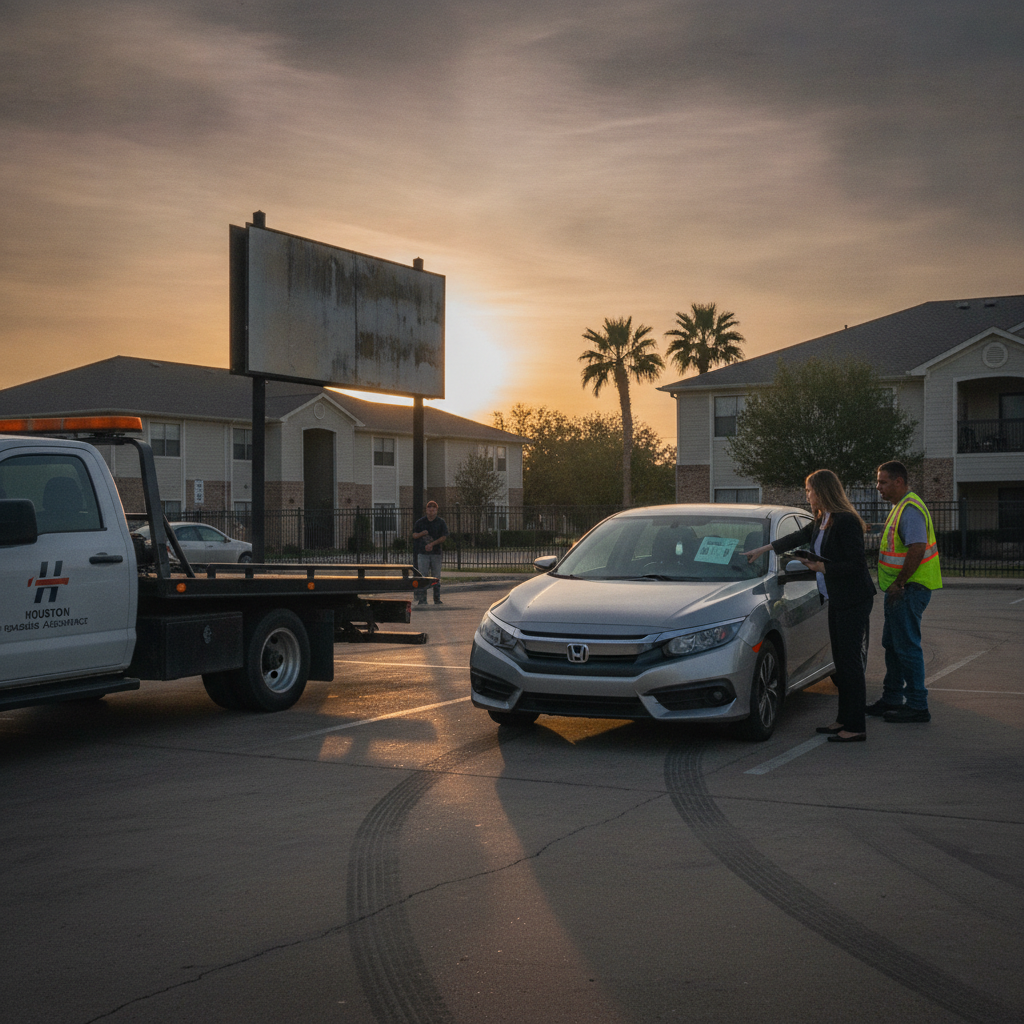
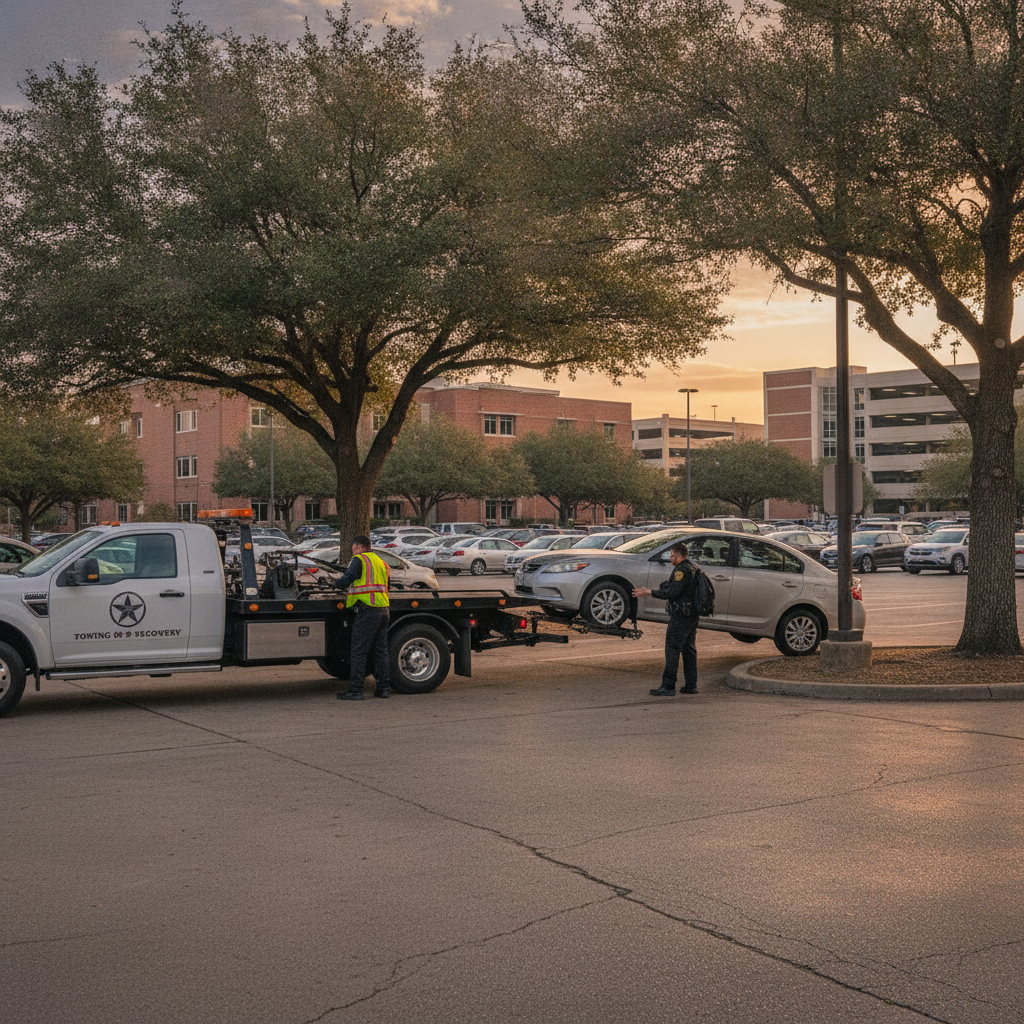
Yes — schools, community colleges, and universities in Houston can legally tow unauthorized vehicles from campus parking lots, but they are subject to the same requirements under Texas Occupations Code Chapter 2308 that govern every other private property tow in the state. The fact that you manage an educational institution does not create any exemption from those rules. If your campus parking enforcement program has gaps in signage, written authorization, or towing company compliance, the liability exposure lands on your institution — not on the tow truck driver who hauled the vehicle away.
This is a topic that gets almost no serious treatment from local towing companies online, even though campus parking enforcement is a distinct operational challenge with its own wrinkles. Here is what facility and parking managers at K–12 campuses, community colleges, vocational schools, and universities across the Houston metro need to understand before authorizing another tow.
Why Campus Parking Is a Distinct Enforcement Challenge
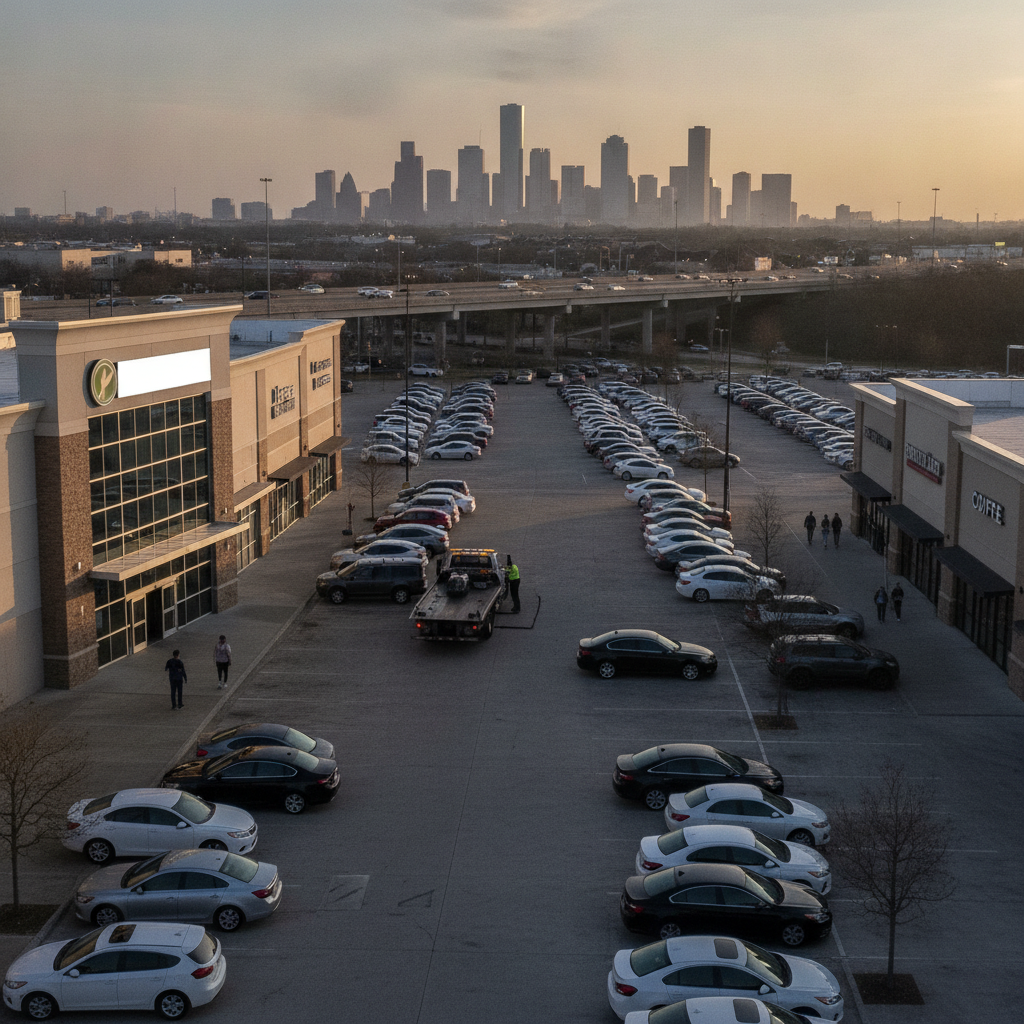
School and university parking lots are not like apartment complexes or shopping centers. The population using your lots is constantly shifting — students, faculty, staff, visitors, event attendees, and in many cases, members of the surrounding neighborhood who treat your lot as overflow parking or a park-and-ride staging area. Along major corridors like I-10, Beltway 8, and FM 1960, it is not uncommon for commuters to leave vehicles in campus lots for hours or entire workdays.
Rapidly growing campuses in Katy, Cypress, and Spring face this problem acutely — new construction means more students, more vehicles, and often parking infrastructure that hasn’t caught up with demand. Meanwhile, unauthorized vehicles take spaces intended for registered permit holders, creating real operational friction and, in some cases, blocking emergency vehicle access routes.
The enforcement challenge is compounded by the fact that campus parking managers often hesitate to tow because they fear backlash from students, parents, or faculty. But inconsistent enforcement creates its own liability. Under Texas law, your written towing authorization must be structured correctly before any tow occurs — and that means having the right contracts and policies in place before you face an unauthorized parking problem, not after.
The Written Authorization Requirement You Cannot Skip
Under Texas Occupations Code §2308.255, a towing company may not tow a vehicle from private property without proper authorization. For most campus situations, this means your institution must have a written parking enforcement agreement with a TDLR-licensed towing company that specifies the terms under which vehicles may be towed — including which lots are covered, who on staff is authorized to call for a tow, and under what circumstances a tow may proceed.
A blanket verbal arrangement with a towing company is not sufficient. If a tow is ever challenged and you cannot produce a valid written authorization that complies with §2308.255, your institution could face civil liability and the towing company risks its license. This is a detail that many property managers learn about only after a dispute has already escalated.
For larger campuses with multiple lots, your written agreement should specifically identify each parking area covered, ideally with a lot map attached. This is also where a structured parking enforcement and property solutions program adds real value — it forces you to do the documentation work upfront rather than improvise lot by lot.
Signage Requirements Under Texas Law — And Where Campus Lots Often Fall Short
Texas Occupations Code §2308.301 and §2308.302 set out specific requirements for tow-away signage that must be posted before a vehicle can be legally towed from private property. At a minimum, compliant signs must:
- Be posted at each entrance to the parking area
- State that the parking lot is a tow-away zone
- Include the name and phone number of the towing company
- Include the fees that may be charged for towing and storage
- Be clearly visible during both day and night
Campus parking lots — especially older ones at established Houston institutions — frequently have outdated, faded, or non-compliant signs. If your towing company’s name or phone number on a sign references a company you no longer use, every tow conducted under that signage is legally vulnerable. If a sign is posted at one entrance but not another, the same problem applies.
Before your enforcement program goes live — or before you switch towing vendors — walk every entrance and every lot section with your towing partner and audit your signage. A reputable TDLR-licensed towing company should be willing to conduct this review at no charge as part of onboarding.
Special Considerations for K–12 School Campuses
K–12 campuses operated by public school districts in Harris County, Fort Bend County, and surrounding areas carry additional considerations. Public school property may be subject to governmental immunity provisions that affect how civil towing disputes are handled — but that immunity does not shield the institution from regulatory violations under Chapter 2308 itself.
More practically, K–12 campuses deal with a specific enforcement window: drop-off and pickup periods when parent vehicles, ride-share vehicles, and unauthorized traffic create dangerous congestion. Enforcement during these windows needs to be carefully structured. Towing a vehicle during an active drop-off queue without proper signage and authorization protocols is the kind of situation that escalates quickly and publicly.
Private K–12 campuses in areas like Pearland, Sugar Land, and Northwest Houston should treat their parking enforcement program exactly like any other private property owner — the full requirements of Chapter 2308 apply with no modifications.
Permit Systems for Faculty, Staff, and Students
For institutions with assigned or permit-required parking, a virtual permit management system significantly reduces enforcement disputes. Rather than relying on physical hang tags or stickers — which get lost, transferred between vehicles, or simply not displayed — a digital permit system ties a specific vehicle’s license plate to a valid permit record. This creates a defensible audit trail when a vehicle is towed and the owner claims they had a valid permit.
This kind of documentation is especially important in campus environments where parking disputes are more likely to generate complaints to administration or escalate to formal grievance processes. Having a time-stamped record showing that no valid permit was on file for a towed vehicle at the time of the tow is a far stronger defense than an employee’s recollection. Ask any towing company you evaluate whether they support integration with virtual permit platforms or whether they can provide their own permit management system.
What Happens When Campus Vehicles Are Simply Abandoned?
At the end of each semester — or after extended campus closures — schools sometimes discover vehicles left in their lots that appear abandoned. Under Texas Transportation Code §683.002, a vehicle that has been left on private property for more than 48 hours may be reported to law enforcement as abandoned and removed by a licensed towing company following proper notification procedures.
The documentation steps matter here. Your towing company should be photographing the vehicle, recording the license plate and VIN, filing the required reports, and coordinating notification to the registered owner through the appropriate channels. An abandoned vehicle removal process that skips any of these steps creates liability for your institution and potential regulatory exposure for the towing company.
Frequently Asked Questions
Can a Houston school legally tow a vehicle without any posted signage?
No. Texas Occupations Code §2308.301 requires compliant tow-away signs to be posted at each entrance before a vehicle can be lawfully towed from private property. Towing without proper signage exposes both the property owner and the towing company to civil liability and regulatory penalties.
Does a public school district in Harris County have to follow the same towing rules as a private property owner?
For Chapter 2308 compliance purposes — including signage and authorization requirements — yes. Governmental immunity may affect how civil claims are resolved, but it does not exempt a school district from the procedural requirements governing private property tows.
How should a campus parking manager handle a vehicle that’s been parked in the same spot for several days without moving?
After 48 continuous hours on private property, the vehicle may qualify as abandoned under Texas Transportation Code §683.002. Contact your TDLR-licensed towing partner to initiate the abandoned vehicle documentation and removal process — do not attempt to move or enter the vehicle yourself.
Can a university in Sugar Land or Katy tow a vehicle from a lot that isn’t specifically listed in its towing contract?
Not safely. Your written authorization under §2308.255 should specifically cover every parking area where you intend to enforce towing. If a lot isn’t identified in your agreement, a tow from that area may be challenged successfully. Update your contract any time you add or reconfigure parking areas.
What’s the best way to reduce student and parent disputes over towed vehicles on campus?
Clear, consistent signage at every entrance; a virtual permit system with a documented audit trail; and a written enforcement policy distributed to all students, parents, and staff at the beginning of each semester. When enforcement is transparent and predictable, disputes drop significantly.
Work With a Towing Partner Who Understands Campus Enforcement
Campus parking enforcement is not a job for a towing company that simply shows up when you call. It requires a written contract that covers every lot, signage that meets Chapter 2308 standards, documentation practices that protect your institution, and a towing partner with the TDLR licensing and operational experience to execute a tow correctly every time.
MC Towing Inc works with schools, community colleges, and campus property managers across Houston and Harris County — including growing communities in Cypress, Spring, Katy, Pearland, and Sugar Land. We offer a free property compliance review that covers your signage, authorization documentation, and lot coverage before any enforcement begins. Contact MC Towing Inc today to schedule your review and build a campus parking enforcement program that protects your institution and keeps your lots available for the people who are supposed to be in them.